

Charlotte Movers Tom Tulowiecki and Todd Koepke are proud owners of TNT Moving Systems! They work each day to be Charlotte's Best Moving Company!
Showing posts with label best furniture moving company near me. Show all posts
Showing posts with label best furniture moving company near me. Show all posts
Wednesday, May 29, 2019

Friday, May 3, 2019

Tuesday, April 30, 2019
TNT Moving Systems Can Help you Move into a House or Apartment

Apartment or House? TNT Moving Systems is Here to Help
Monday, April 15, 2019

Tuesday, April 2, 2019
TNT Moving Systems is Here to Help you Pull Off the Perfect Move

TNT Moving Systems is Here to Assist with the Perfect Move
Saturday, March 30, 2019

Friday, March 15, 2019

Friday, March 1, 2019
Is Minimalism the New Black?
Although so much of the “American Dream” has involved acquiring things, the “tidying up” trend has taken over. No longer is a growing mass of possessions — clothes, gadgets, collections — indicative of social standing. Instead minimalism is the new luxury.
WHO IS “MINIMALISM” FOR?
Good design isn’t cheap. Whether it’s an iPhone or an angora sweater, a KitchenAid mixer, or boots made from hand-tooled leather, items that are built to last require an investment.
There’s a certain kind of circular disadvantage associated with poverty and consumerism. Limited incomes typically allow little room for saving money. If one is unable to afford “The Nice Thing” because one does not have the upfront capital to buy it, one often has to settle for the less expensive, poorly made “Available Thing.” Instead of buying “The Nice Thing” once, one ends up perhaps spending even more over time repeatedly buying the “Available Thing.”
Consider an inexpensive pair of work slacks sold at a big-box discount store versus a pair of tailored slacks in heavier fabric from a high-end retailer. Or think about a cheap set of socket wrenches made from low-grade metal that warp when put to the test versus professional-grade tools that will withstand any pressure. The same exchange applies to buying in bulk. That giant pack of paper towels costs $22 while one roll is $1.50. (And buying that multi-pack means needing space to store it.) Saving money in the long run requires having money to spend now.
“You cannot choose to ‘declutter’ if you are already living in a sparse home you cannot afford to furnish,” writes Chelsea Fagan for The Financial Diet. “You cannot ‘reduce’ the food you consume if you are already only able to put one good meal on the table per day. And when nearly half of Americans would be unable to pay their bills if they missed a single check, this ‘forced minimalism’ is much, much more common than we would like to imagine.”
Being a “minimalist” in the Pinterest sense of clean, white shelves and tiny stereo speakers on a natural wood entertainment center in an airy living room with a stylish couch and hypoallergenic cat isn’t a casual lifestyle.
“The only people who can ‘practice’ minimalism in any meaningful way are people upon whom it isn’t forced by financial or logistical circumstances,” Fagan writes.

TIDYING UP
Although not everyone can afford Instagram-worthy décor, and while cleaning and organizing take time that may well be hard to find, there are practical tips to managing messes.
Marie Kondo, author of “The Life-Changing Magic of Tidying Up: The Japanese Art of Decluttering and Organizing,” asks one question that cuts to the heart of clutter — does it bring you joy?
Granted some items in our lives are simply necessary. Our toothbrush may not make us happy, but it helps keep us healthy. What Kondo is getting at though are the things we amass that don’t quite work, don’t quite fit, are taking up space that we otherwise need, and are distracting from the things we actually do want.
Do you have 16 pairs of shoes and only wear 3? Kondo says to thank those 13 extra pairs for having served their purpose for you and release them on to their next life by donating, selling, or trashing them. Are you pretending you’re going to re-read that college textbook about international banking systems? Kondo says, let it go. Did your grandmother buy you a set of seasonal toilet paper cozies at the church yard sale that you’ve kept shoved in the back of the sock drawer? Kondo tells you it’s okay to send them on their way.
Tidying up, which you can see in action in Kondo’s Netflix series, is an exercise in self-editing. “Her method is deceptively simple,” writes Sarah Archer in The Atlantic. “She has clients begin with clothing, move on to books, then paper documents, then komono, which means ‘miscellaneous’ in Japanese and encompasses the kitchen, bathroom, garage, and other objects. Then they finish up with the final category, which is sentimental items. There’s something about the way in which Kondo explains the goals of her exercises that gets her clients to open up. This is the key difference between Tidying Up and most other reality shows: There’s no sense of competition, and the ostensible makeover at the heart of every episode simply involves regular people becoming happier and more at ease in their own home. Kondo doesn’t scold, shame, or criticize. Things spark joy or they don’t, and it’s fine either way.”
Decluttering has the advantage of making it easier to clean. Whether mopping floors or disinfecting the bathroom counters, things get in the way. Although Kondo is in favor of organizing, not by area but by type of thing (i.e. not just the hall closet and winter wear but all your clothing all at once), you may try tackling a smaller task at first to get you motivated. Try going through the refrigerator and freezer by taking everything out, inspecting expiration dates, and cleaning all the hard surfaces with a disinfecting cleaner. This activity has the added benefit of keeping your family healthy! How about the coffee table or nightstand? Tackling little projects that take less of a time commitment than your entire closet will help keep you going and give you a way to practice new behaviors like putting things away after you’re done using them.
If you’re looking to save money, making your own cleaning supplies is easier than you might think. For an all-purpose cleaner that’s also safe around children and animals, combine 4 tablespoons baking soda and 1 quart warm water, and use it with a sponge to wipe messes away. Make a glass cleaner by mixing 1/2 cup white vinegar with 1/4 cup rubbing alcohol and 2 cups of water. Remember that baking soda is a terrific deodorizer for sneakers, gym bags, and pet beds. For greasy surfaces like kitchen cabinets, add a few drops of dish soap to a spray bottle and fill it with warm water and clean with a damp rag. If you need to scrub something like a pan or bathtub, try a handful of salt and use half a lemon to rub the salt around then rinse with clean water.
Other quick tips to refresh your surroundings?
- Put your houseplants in the shower. A full rinse with cool water will clear them of dust and debris.
- Run plastic children’s toys through the dishwasher to sanitize them.
- Wash your shower curtain in the washing machine with hot water and a few towels.
TOO MUCH
Organizing in and of itself is nothing new. Television capitalized on homemakers’ aspirations for a clutter-free life in the early 2000s, launching series of reality TV shows like “Hoarders,” “Clean Sweep,” and “Mission: Organization.”
“Hoarders” stood out for the extreme cases the show highlighted. Homes were more than disorganized or cluttered. Occupants had crossed a line such that their attachment to and inability to get rid of possessions, many of which were no longer useful and had become hazardous, posed a serious threat to their quality of life. Commonly hoarded items include newspapers, magazines, bags, boxes, photographs, household supplies, food, and clothing.
“Hoarding can be related to compulsive buying (such as never passing up a bargain), the compulsive acquisition of free items (such as collecting flyers), or the compulsive search for perfect or unique items (which may not appear to others as unique, such as an old container),” according to the Anxiety and Depression Association of America.
Hoarding has been classified as a mental condition closely associated with obsessive-compulsive personality disorder (OCPD), obsessive-compulsive disorder (OCD), attention-deficit/hyperactivity disorder (ADHD), and depression. The ADAA states:
“People hoard because they believe that an item will be useful or valuable in the future. Or they feel it has sentimental value, is unique and irreplaceable, or too big a bargain to throw away. They may also consider an item a reminder that will jog their memory, thinking that without it they won’t remember an important person or event. Or because they can’t decide where something belongs, it’s better just to keep it.”
There’s a difference between what is seen as typical saving versus collection and hoarding. Those who hoard often feel embarrased about their possessions and living conditions when others see them. Their clutter is an isolating force. Collectors on the other hand maintain their carefully curated collections and have a sense of pride in what they have gathered.
Someone who hoards may exhibit the following:
- Inability to throw away possessions
- Severe anxiety when attempting to discard items
- Great difficulty categorizing or organizing possessions
- Indecision about what to keep or where to put things
- Distress, such as feeling overwhelmed or embarrassed by possessions
- Suspicion of other people touching items
- Obsessive thoughts and actions: fear of running out of an item or of needing it in the future; checking the trash for accidentally discarded objects
- Functional impairments, including loss of living space, social isolation, family or marital discord, financial difficulties, health hazards

The show “Hoarders” and its follow up, “Hoarding: Buried Alive,” made an attempt to help those who hoard address their conditions with professional organizers and mental health therapists. These types of professionals target the behaviors associated with hoarding rather than just the mess itself.
The National Association of Productivity and Organizing Professionals has tips for how to hire a professional organizer or productivity consultant. Step one is figuring out what kind of services are needed — there’s not a one-size-fits-all approach to tidying up! There are consultants who specialize in a range of skills such as organizing for people with disabilities, helping seniors who are downsizing, managing estate sales, tackling home offices, converting paper documents into digital assets, and designing storage solutions such as customized closets.
“Avoid choosing a Professional Organizer or Productivity Consultant strictly by price,” states NAPO guidelines. “Instead, focus on finding someone with the personality and skill set that match your needs. That person is most likely to deliver the greatest value by achieving the results you desire in the shortest amount of time.”
WHEN IT COMES TO MOVING
How much we have seems to directly correlate with how long we’ve been in a single place. Maybe there’s still a stash of your childhood things in your parents’ basement. Maybe the garden shed in the backyard is a vestige of every hobby you ever had. Whether you ever plan to move or not, pretend that you are. How hard would it be? How much money would you spend putting things in storage or shipping things by weight?
TNT Moving Systems can get you from wherever you are to wherever you’re going, local and long-distance, but we know from experience that planning ahead for moving day is a good thing. If you need help, call us for a free quote. We are a moving company but we also tackle projects like loading and unloading storage pods, moving pianos, and packing.
Visit us online at tntmovingsystems.com or call 704.523.1455.
Friday, December 28, 2018
Why Do Americans Move? The Top 6 Reasons Regarding Housing

Top 6 Reasons Why People Move Regarding Housing
Thursday, December 20, 2018

Monday, December 17, 2018
How to Get to Know People (As an Adult) in a New Town
Relocating, at any age, is a stressful time in one’s life. Whether you are moving across town, across the country, or across the pond, change is difficult. While children have a hard time with moves too, they at least get the opportunity to make new friends at school, in the neighborhood and in after-school activities. That takes care of the young, but what about the “young at heart?”
Move.org reports that roughly 35.5 million (or 11 percent) Americans moved in 2017 (July 6, 2018), so you are far from alone in your quest to meet new friends and settle into a new community. The top five reasons to move are as follows: to relocate to a new or better home (16 percent), to establish their own household (11.5 percent), for “other” family reasons (11.3 percent), for a new job or job transfer (9.9 percent), and to find cheaper housing (8.3 percent).
The logistics of moving are tricky enough, but there can be emotional struggles along the way. Anxiety and depression are common. Psychologists* recommend three first steps to help you feel better and adjust, 1) get out of the house, 2) accept and extend social invitations, and, 3) do the things that made you happy in your old place.
Making friends as a grown-up offers some unique challenges, but it’s not impossible. Taking the above recommendations a step further, here are some tips to make meeting people and trying new things a bit easier:

GET OUT OF THE HOUSE
Do you have a hobby? Want one?Taking a class is a great way to meet new people in your community and it doesn’t have to be expensive. Local colleges and school districts have community education classes (time to brush up on your French or figural drawing?) and libraries have lots of opportunities for learning with classes and programs featuring locals who can inform you about places to visit in your new community. Over 50? You likely have even more options to meet people. Senior centers, universities, and AARP offer an array of classes for varied interests.
Raise a glass! With the popularity of micro-breweries and wineries, the traditional “bar scene” is shifting. Check in advance for special release evenings, tastings, and concerts at your local vineyard or taproom. You can mingle in a relaxing environment and grab a couple of bottles to stock your new kitchen.
Patronize me, please! Do you love art? Museums? Baseball? Consider becoming a patron at a local museum or buy season tickets to a sports team. You’ll be supporting local institutions and meeting like minded people. Museums have programs including lectures, films, gallery talks, and member only events. A great chance to share your love of Monet! Buying season tickets to a favorite sport will give you a season’s worth of plans, and your seat mates will be able to offer up tips on the best players and the cheapest beer and hotdogs.
Put yourself out there — outside that is! Is running, hiking or sunrise yoga your thing? Look online for groups in your area to join. Local stores can help you make connections while you shop for a new yoga mat or that perfect jogging hat. Many parks have programs (often free) and guided hikes. You’ll get your exercise, meet new people, and discover nature in your own back yard.
Volunteer! Do you love dogs, cats, hamsters, parrots, rabbits, horses, and more? Animal shelters often need volunteers of all sorts. From cleaning up, to fundraising, to helping with adoptions, to fostering, the needs are great. Smaller communities often have historical societies or houses that could use a hand on weekends or perhaps you are a wizard of the web and can lend your talents to their social media. Hospitals, political organizations, schools, the performing arts and social organizations have a wide variety of volunteer needs. Soon, you’ll be helping to not only fill your planner, but you’ll be filling your heart and your friends list in no time!
GET SOCIAL
Did you move for a new job? Perhaps your Human Resources representative can provide some contact information about groups who specialize in your field of work. It may serve two purposes: it will give you a chance to network andmeet people with similar interests. You might also find that some companies have a mentoring program and/or a new colleague may be willing to show you around town and introduce you to others.
L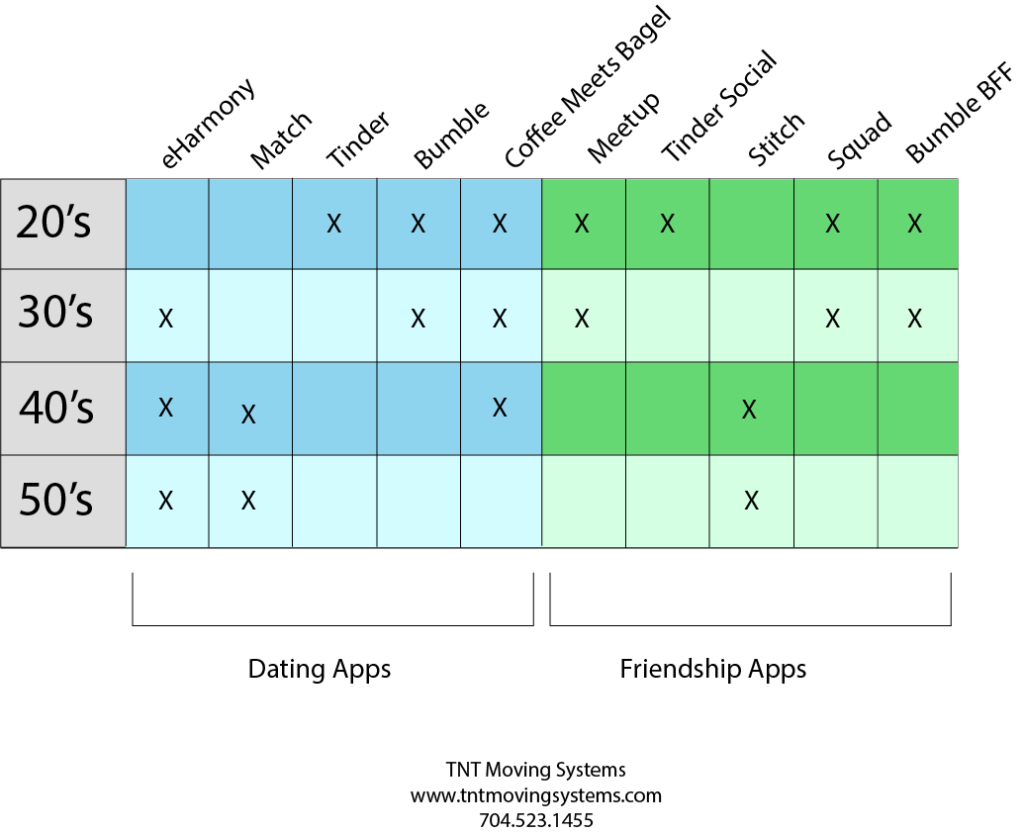 ooking for a job? Moving to a new area provides new opportunities to network. Look online for meetup groups, update your Linkedin and any applicable social media platforms to indicate your new city and highlight your skill set. Check out temporary opportunities, part-time and seasonal employment while you look for your new position.
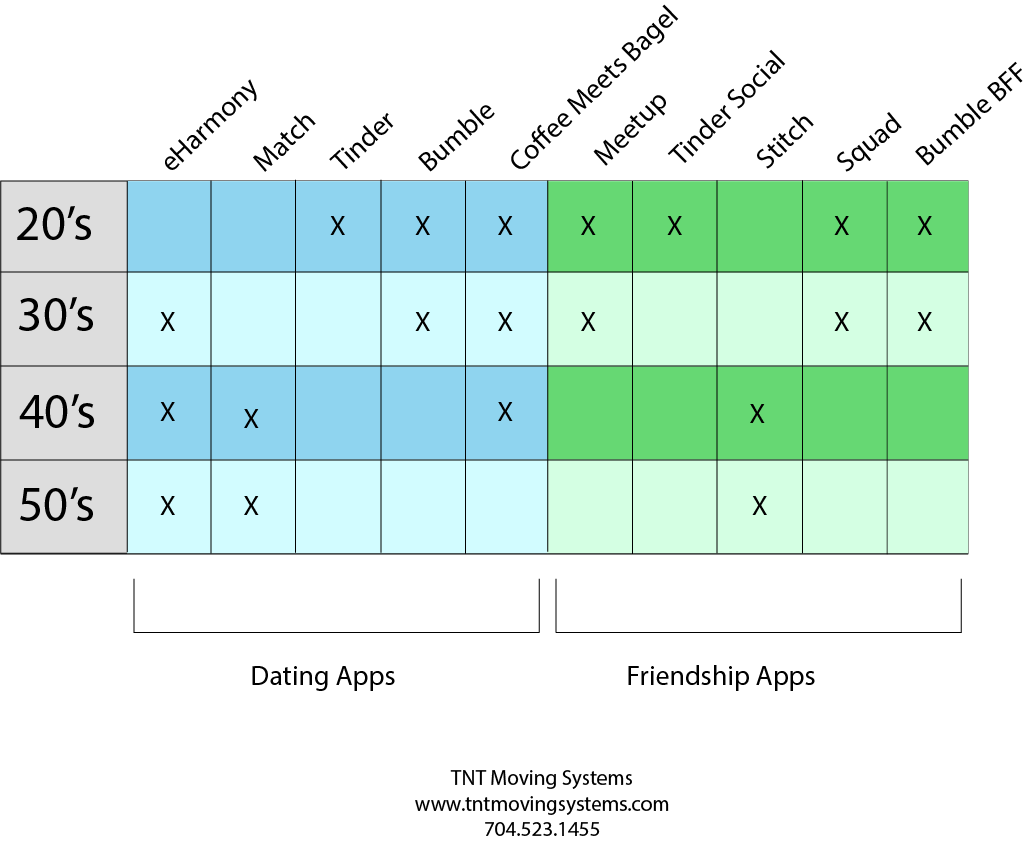 ooking for a job? Moving to a new area provides new opportunities to network. Look online for meetup groups, update your Linkedin and any applicable social media platforms to indicate your new city and highlight your skill set. Check out temporary opportunities, part-time and seasonal employment while you look for your new position.
Throw a party! Invite your new neighbors for a drop by meet and greet. Maybe you don’t want strangers in your house, does your community have a pool or a club house? Perhaps there is a homeowners meeting or social event coming up.
Get schooled. If you have a child in school (or are in school yourself), coordinate study groups in your home (church groups too), invite your children’s classmates over for supervised playdates, or volunteer for your school or church.
Do you have a secret talent? Maybe you are a pet sitter, great with gardens, or are handy with a hammer. Check local regulations first and offer your services to your neighbors. This will open the conversation and perhaps help your fill your wallet.
DO WHAT YOU LOVE
Make your favorite comfort foods. Maybe you are from an area known for chili and you are suddenly in chowder territory. Make yourself a pot (and perhaps invite a new friend to share). The holidays also offer up a great chance to make your traditional treats and introduce them to others.
Continue your hobbies. Before the move, do some internet searching and find out where you can practice Thai chi, skeet shoot, or horseback ride near your new digs. Or, maybe actual digging is what you dig! Those amateur archaeologist skills could prove a handy way to volunteer and help introduce you to those who came before.
Did you enjoy decorating? You have a blank canvas and the perfect opportunity to create your new nest. Check out the local antiques and boutiques and combine regional items with those you brought along with you.
Are you a reader? Join a book club or maybe even start one in your neighborhood at home. You could use this opportunity to trade some books or try out local authors.
Invite friends and family to visit! Spending time with loved ones can go a long way in helping you feel confident in your new environment and it lends the opportunity to be a tourist and play tour guide in your new city. Invite new friends or co-workers to join in and explore together!
While moving as an adult and making new friends does have challenges, it can also open you up to experiences and friendships you may never have imagined!
*Martijn Hendriks, Kai Ludwigs, and Ruut Veenhoven, “Why are Locals Happier than Internal Migrants? The Role of Daily Life,” Social Indicators Research 125 (2016): 481–508.
Monday, December 3, 2018
How To Keep Your Home and Belongings Safe During a Move
Moving can be a strangely public process. Between cleaning out the closets and hauling things off to donate, leaving items out at the curb for pickup, and loading up the truck, all your possessions — and the fact that you’re in transition — is on display for all the world to see.
There are all kinds of scenarios that may present a security risk. Perhaps you find yourself stretched between two homes with some belongings in each or completely moved in to your new home with an unoccupied and unsold home left behind. How do you handle the risk of a possible break-in or theft?
TNT Moving Systems has learned a lot about home security over the years. Here we pass on some tips to keep you and your possessions safe.
Basic Safety
Inevitably, when you move from one place to another, there end up being periods of time when you are not physically present at the house, which heightens the chance of burglary, but it doesn’t mean you can’t be prepared. Here are five basic things you can do right away to your home to keep it safe and secure:

- When you leave, make sure all your windows and doors are locked. Sure, this seems obvious, but you would be surprised at how often doors and windows are left unsecured! This is why most forced entries are initiated from these points. With new homes it is common to open windows to see how they work, to air-out the new place, or even just to feel the breeze, and then to completely forget to latch the lock back. The same goes with doors. With the rush of moving boxes in and out, a simple task like locking the door can be forgotten. It’s always best to double-check all windows and doors.
- Keep the yard up. This goes for the new and the old place, if it hasn’t been sold yet. Once a yard starts to get out of hand, and not a lot of foot traffic is evident, it is clear the house is vacant. Try and keep up the appearance of normal life taking place at both homes. This will keep those wandering eyes away.
- Get yourself some motion detector lights. These are highly effective because they provide immediate reaction. Make sure all entry points are covered including any obfuscated from view like basement doors or windows behind shrubs. Nothing makes a burglar scatter like a bright light!
- Keep valuables close. Small items like jewelry or family heirlooms are good to keep with you. For those larger items like a big screen tv, bikes, the family silver, or a gun cabinet, consider a safe or public storage. Even leaving such things with a trusted friend or family member is better than leaving them in an unoccupied home.
- Park a car in the driveway. If you have an extra car, leave it parked in the drive as often as possible. If you need your car(s), ask a neighbor to park in your drive. Any activity that makes it look like someone is at the house is best. Of course, don’t forget to lock the car doors!
- Stop the mail. Cancel the newspaper delivery, get your forwarding order in with the postal service, and make sure there aren’t any packages on their way that may sit unattended for days.
Smart Homes
These days it’s easier than ever to include smart technology in your safety plan. We have gone through tons of smart locks and indoor cameras and narrowed the competition. Here are three entry-level smart devices you may want to consider:
- Kwikset Kevo Smart Lock 2nd Generation. This smart lock with a Bluetooth-enabled deadbolt alerts you anytime someone tampers with the lock and provides an immediate notification for anyone entering the code or simply messing with the door handle. It only costs $175.
- Logitech Circle 2 Indoor Camera. Due to recent price drops on indoor cameras, more and more people are having them installed. An indoor camera may not necessarily keep intruders at bay, but it will record any action and thus have evidence to provide to police. The Logitech is a Wi-Fi camera that allows you to see any and all activity happening inside your house no matter where you are.
- Smartphones. Currently, there are plenty of systems such as, Scout, Apple Homekit, and Eve that sync smart devices together to create systems for self-monitoring.
Home Security
When it comes to choosing a full-blown home security system, it’s easy to get stuck between spending more than you really need and not getting the level of security you want. Here’s what you need to know about home security systems:
- It never hurts to do a quick online search for reviews of local home security system providers. Chances are, you will end up looking at ADT or CPI, but there are other options out there worth considering.
- Once you have a few companies in mind, ask for their security packages and price points (you should not be paying anything over $30 to $50 a month). Compare and contrast. Each company should give you a complete overview of their capabilities, installation costs, and monthly fees.
- Talk to others about their security systems. Different people have different needs. Are you a family of one who needs to let the dog walker in from time to time or a family of six managing ever-changing schedules? Talk to people like you to learn what they like and dislike about a company or product.
The Heat is On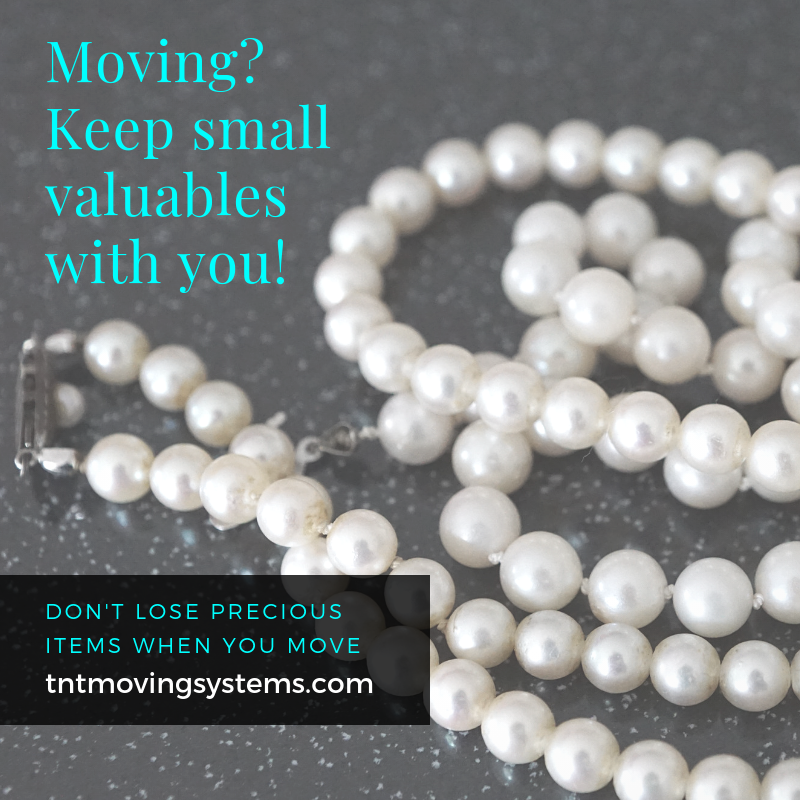
Beyond break-ins, the next big scare tends to be home fires. Though preventable, house fires cause a lot of heartache.
One easy, and very important, way to keep you and your family safe in case of a fire is to have an old-fashioned fire extinguisher around. Though they may seem to be a device of the past, they are not. An extinguisher is the best, quickest, and least expensive way to stop a small fire from spreading. We suggest the First Alert Pro5. It exceeds the minimum law compliance for business and some residential establishments and is effective against the most common household fires: wood, paper, fabric, flammable liquid, and live electrical equipment fires.
A fire extinguisher only works though if you know how to use it and you know there’s a fire. Read the label on your extinguisher so you can operate it at a moment’s notice. And make sure that you have working smoke alarms. There are ionization alarms that quickly detect fast-moving fires and photoelectric smoke alarms that are quicker to sense a slower, smoky fire such as an electrical one that starts within the walls. It is recommended to have both kinds of alarms or a dual sensor alarm. Also consider whether your alarm system needs to address special circumstances such as hearing impairment or blindness.
Speaking of fires, do you know that a fire extinguisher is NOT the right tool for a grease fire? Only specialized fire extinguishers can be used on grease fires, as hot grease burns at an extremely high temperature and is in a liquid form that can easily spread from surface to surface.
- Consider your safety first — grease fires can easily result in burns to the face, arms, and chest. Protect yourself and cover the flames with a metal lid or cookie sheet. Turn off the heat source. If the fire is small, use salt or baking soda to cover the flames.
- Never use water, flour, baking powder, sugar, or a wet towel all of which can spread or feed the fire.
- If your attempt to put out the fire fails, leave immediately and call 911.
At TNT Moving Systems, we want you to be safe during and after your big move. The most important thing to do is stay aware and make smart decisions about your home’s safety.
Subscribe to:
Posts (Atom)